


Heater Sizing Guide
How to Properly Size a Traditional Sauna Heater
A sauna heater must be matched correctly to the volume of the sauna room. Undersizing results in poor heat performance. Oversizing can create excessive heat concentration and inefficient operation.
Traditional electric sauna heater sizing is based on room volume (cubic footage) and adjusted for certain materials such as glass or masonry surfaces.
This guide outlines the standard method used by major sauna heater manufacturers.
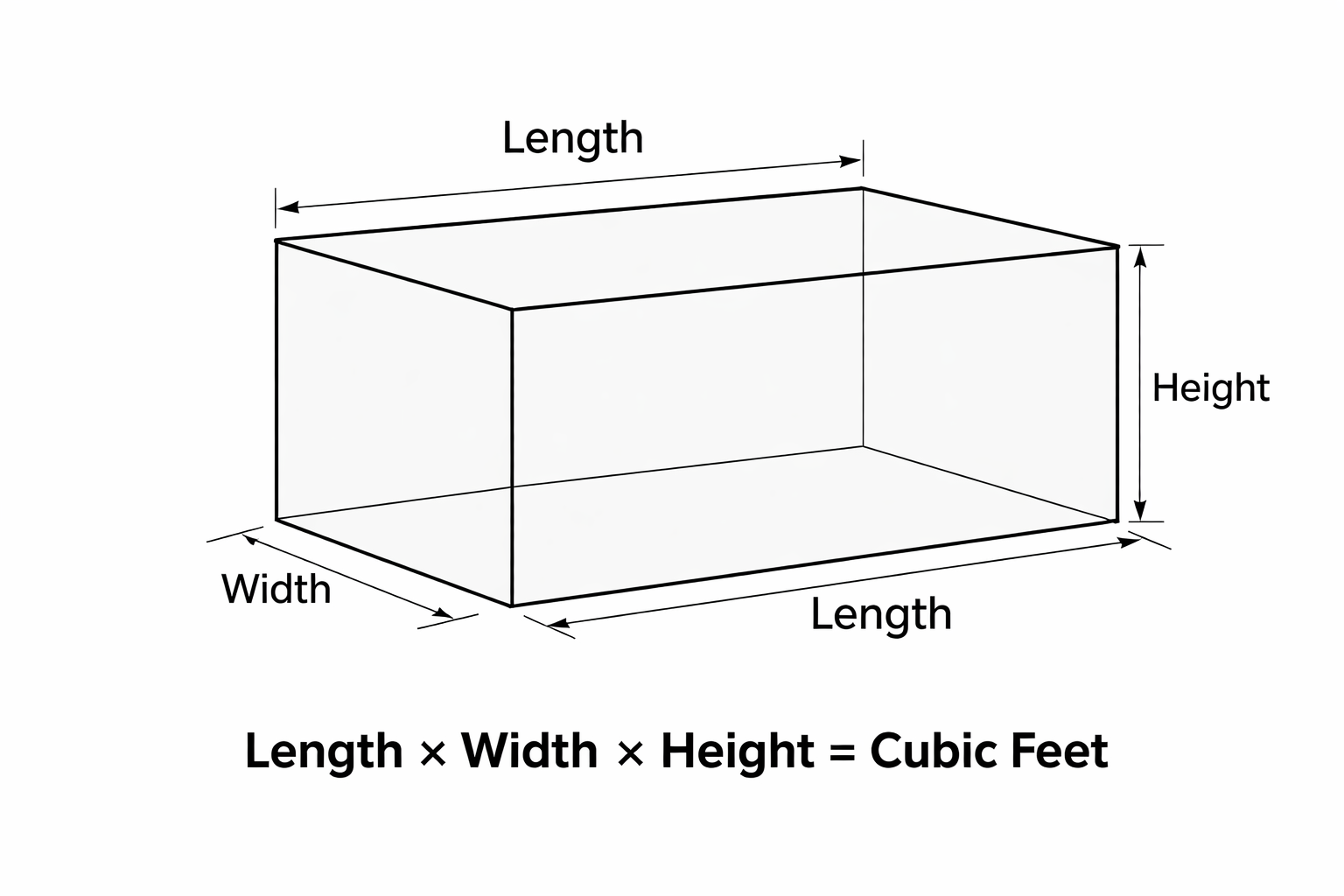
Step One: Calculate Room Volume
Measure:
Length × Width × Height
Example:
7 ft (L) × 6 ft (W) × 7 ft (H)
= 294 cubic feet
This number is your starting point.
Most residential sauna heaters are rated by the cubic footage range they are designed to heat.
Standard Heater Output Guidelines (Electric)
Most traditional electric sauna heater manufacturers follow this general sizing framework:
*1 kilowatt (kW) of heater capacity per 40–50 cubic feet of sauna space
This is a widely referenced rule of thumb across Finnish and North American manufacturers.
Example:
300 cubic feet ÷ 45 (midpoint range) ≈ 6.6 kW
A 6 kW or 8 kW heater would typically be evaluated depending on manufacturer specifications.
Important: Always confirm sizing against the manufacturer’s official sizing chart for the specific heater model.
Adjust for Glass & Non-Insulated Surfaces
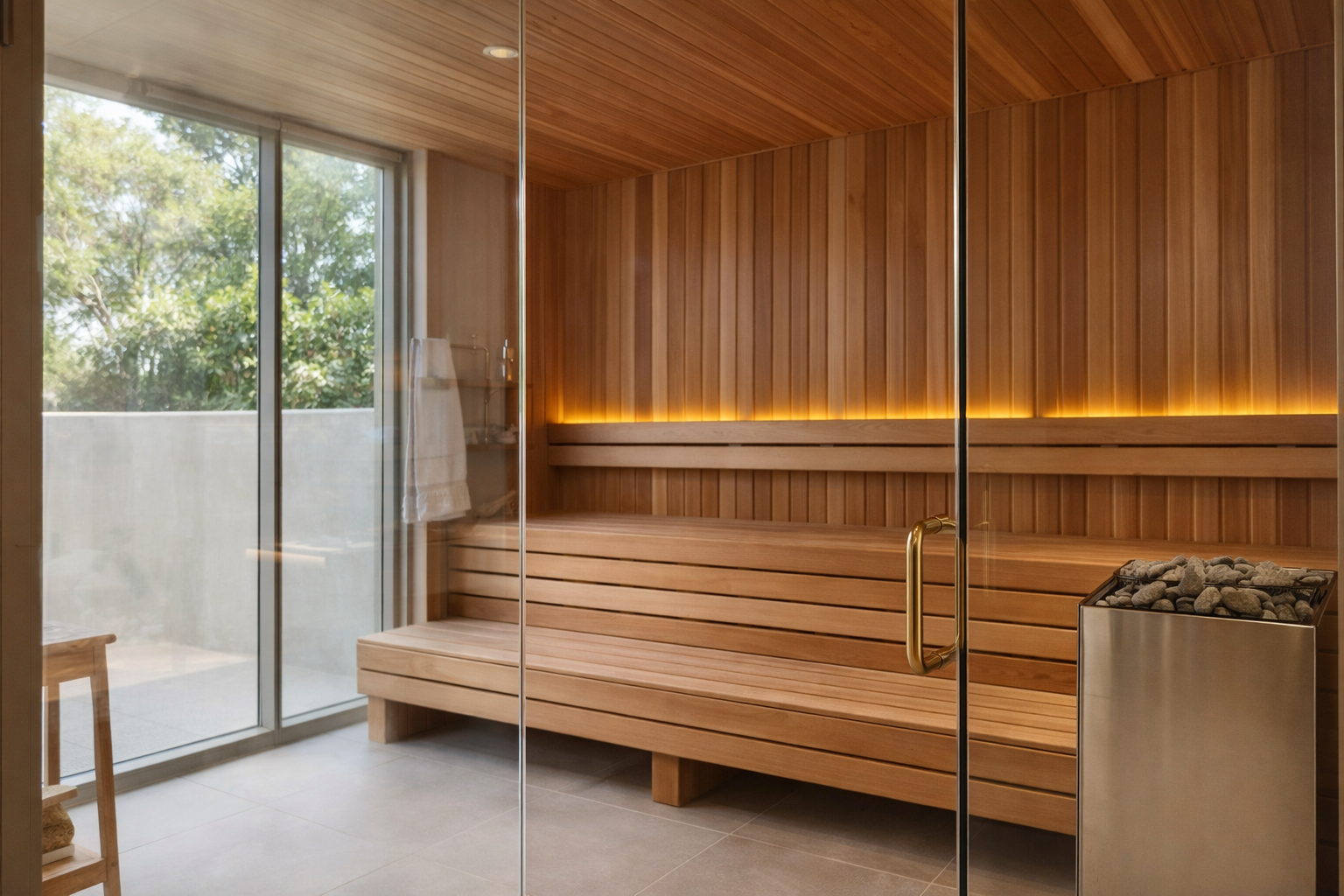
Glass doors, large windows, stone walls, and concrete surfaces increase heat demand.
Most manufacturers recommend adding:
*1.2 to 1.5 cubic feet of “adjusted volume”
for every square foot of glass or non-insulated surface.
Example:
If your sauna includes 20 sq ft of glass:
20 × 1.2 = 24 additional cubic feet
Adjusted volume:
294 + 24 = 318 cubic feet
Now size the heater based on 318 cubic feet, not 294.
This adjustment method appears consistently in manufacturer installation manuals.
Ceiling Height Considerations
Standard sauna ceiling height is typically:
*7 feet to 8 feet
Higher ceilings increase cubic volume and may affect heat stratification.
Most heater manufacturers design their units for standard ceiling heights. If ceilings exceed 8 feet, confirm heater compatibility directly with the manufacturer.
Indoor vs Outdoor Sizing
Indoor Saunas:
- Typically benefit from conditioned building envelope
- Less heat loss when properly insulated
Outdoor Saunas:
- More exposure to ambient temperature
- May require slightly higher kW within manufacturer-approved range
- Longer preheat times in cold climates
Always follow the heater’s approved cubic footage range.
Do not exceed manufacturer limits.
Electrical Requirements Overview
Most residential traditional electric heaters:
- Operate on 240V
- Require a dedicated circuit
- Require installation by a licensed electrician
Common residential heater sizes:
• 6 kW
• 8 kW
• 9 kW
Amperage requirements vary by heater model.
Always reference the manufacturer’s specification sheet.
Electrical installation must comply with local code.
Why Proper Sizing Matters
An undersized heater may:
- Struggle to reach operating temperature (typically 150°F–195°F / 65°C–90°C)
- Operate continuously without achieving proper heat
- Reduce sauna experience quality
An oversized heater may:
- Create excessive heat concentration
- Reduce efficiency
- Lead to uneven heat distribution
Correct sizing ensures:
- Efficient heat-up times
- Stable temperature control
- Proper stone performance
- Balanced air circulation
Manufacturer Sizing Charts (Always Verify)
Every heater brand publishes an approved cubic footage range for each model.
Before purchasing:
- Confirm room volume
- Adjust for glass
- Match to manufacturer sizing chart
- Confirm electrical capacity
Never select a heater based on guesswork.
How Our Luxury Sauna Standards™ Apply
We evaluate heater compatibility based on:
- Room volume alignment
- Insulation quality
- Electrical clarity
- Stone capacity
- Manufacturer documentation transparency
Proper heater-room pairing is a core part of our Luxury Sauna Standards™ framework.
Need Help Sizing Your Heater?
Correct heater selection depends on:
- Cubic footage
- Materials
- Insulation
- Ventilation
- Intended use
If you are unsure, our team can review your room dimensions and recommend manufacturer-approved heater options aligned with your space.
Need Help Deciding
Choosing between indoor and outdoor configurations often requires evaluating square footage, electrical capacity, delivery access, and model sizing. If you would like structured guidance before selecting a model, our team can help you plan with clarity.
Book a Design Consultation