


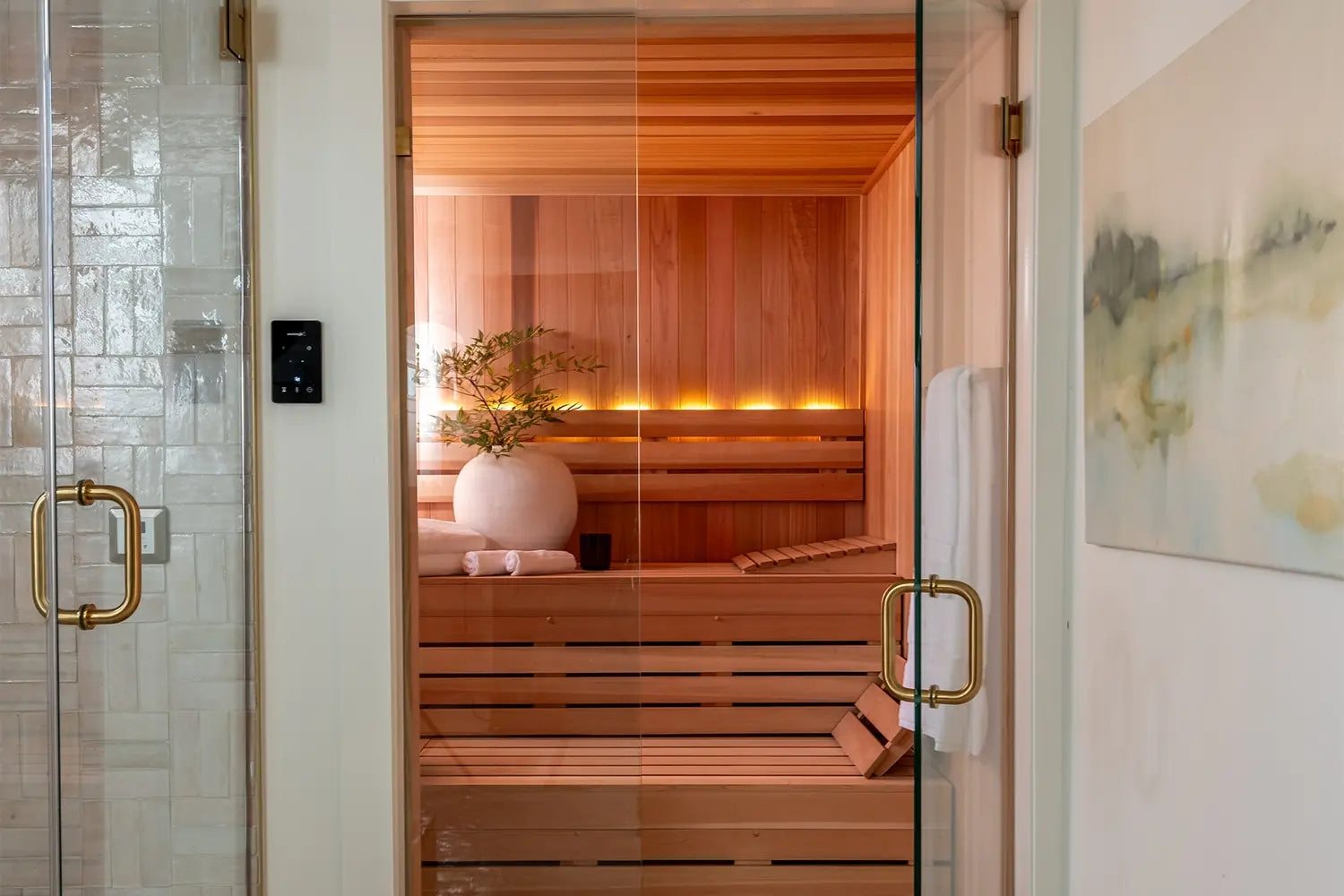
Indoor vs Outdoor Sauna
A Planning Guide for Homeowners
Choosing between an indoor and outdoor sauna is one of the first major decisions in planning a home wellness space. Both options can deliver a traditional high-heat sauna experience when properly designed and installed. The difference lies in integration, infrastructure, and long-term ownership considerations.
This guide outlines the key planning factors to evaluate before making your decision.
Space & Placement Considerations
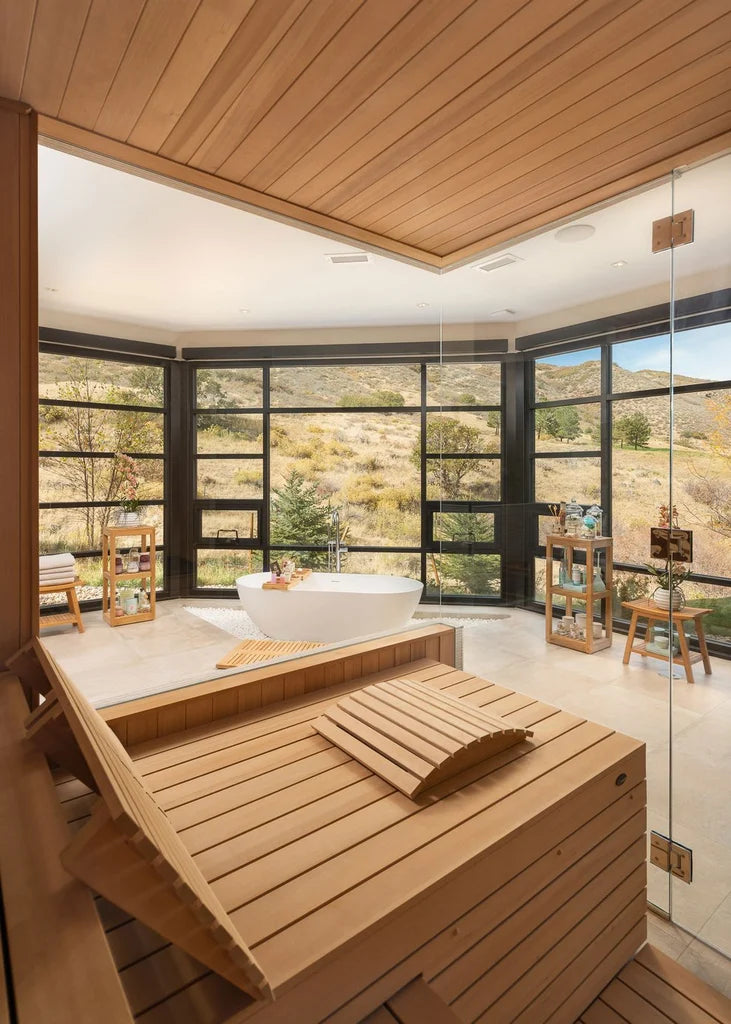
Indoor Sauna Model
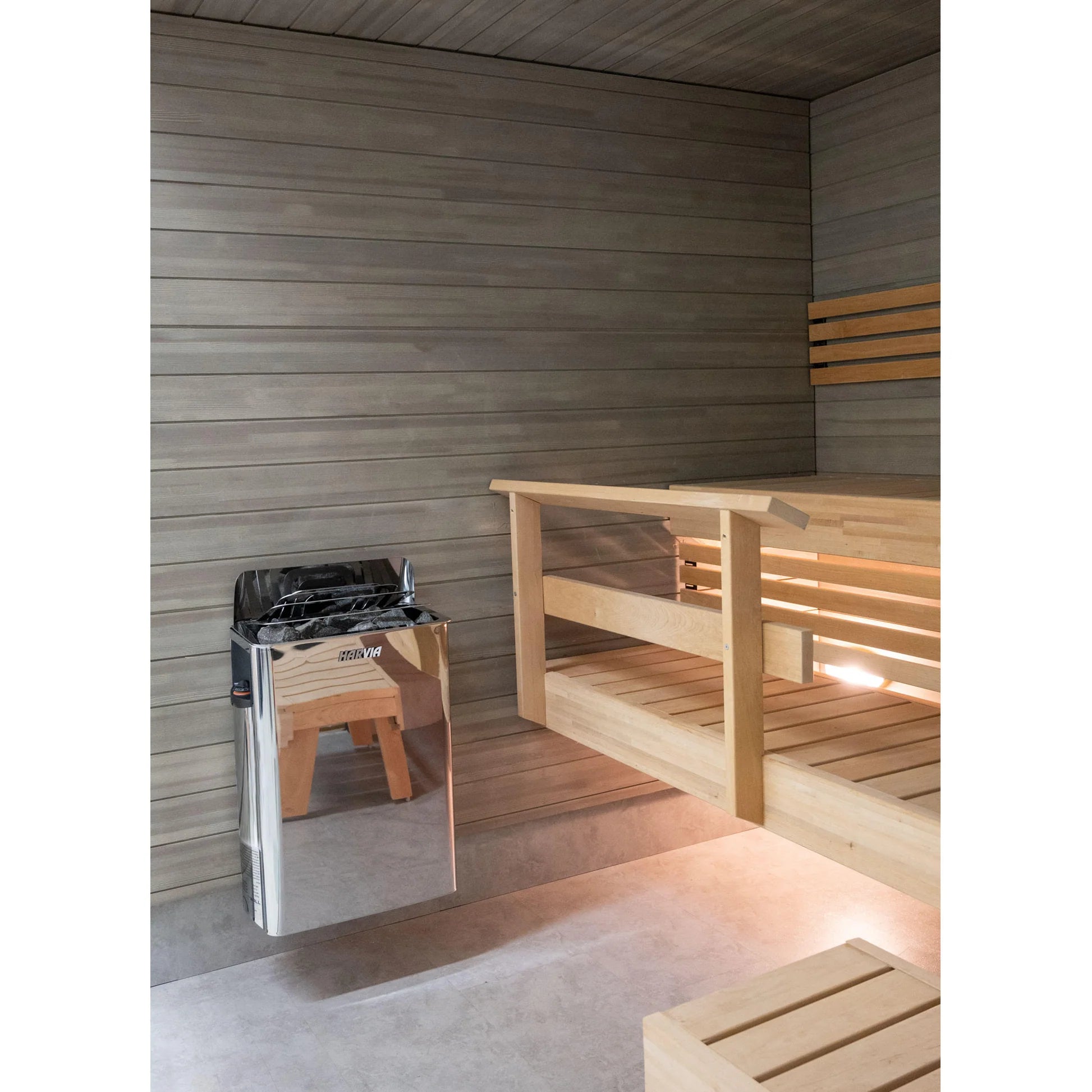
An indoor sauna is typically installed within:
- A dedicated wellness room
- A bathroom expansion
- A basement
- A home gym
- A primary suite addition
Indoor installations benefit from existing conditioned space and structural protection.
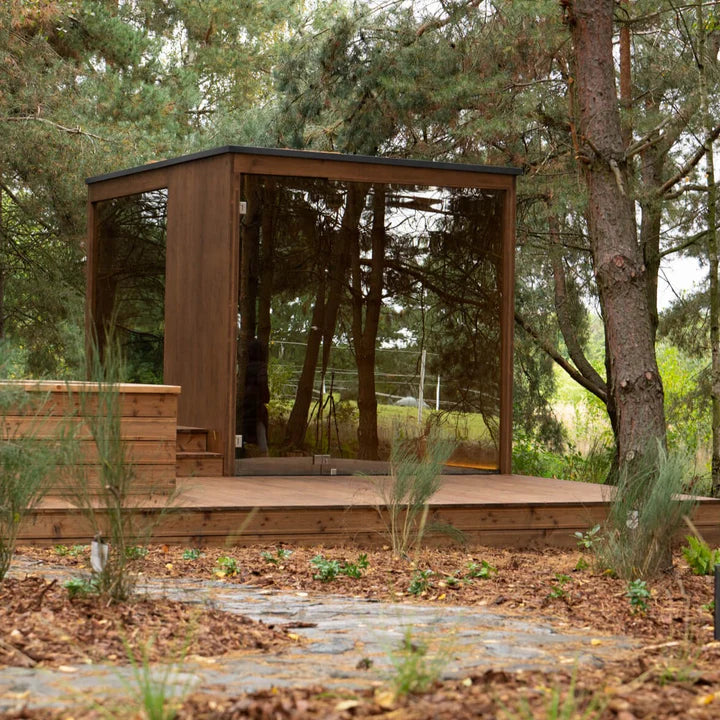
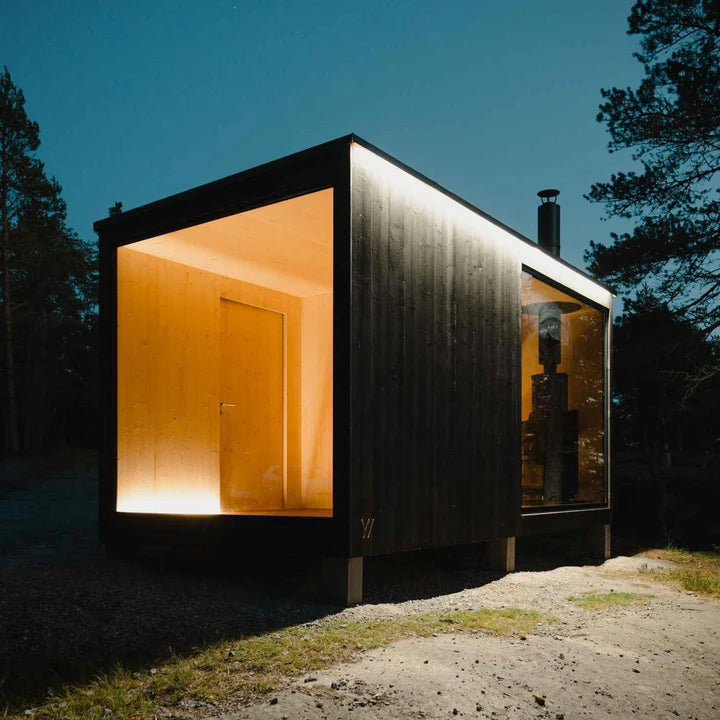
Outdoor Sauna Model
- Backyards
- Poolside environments
- Patio areas
- Garden Settings
Outdoor units must be constructed for weather exposure and may require foundation preparation.
Electrical Planning Overview
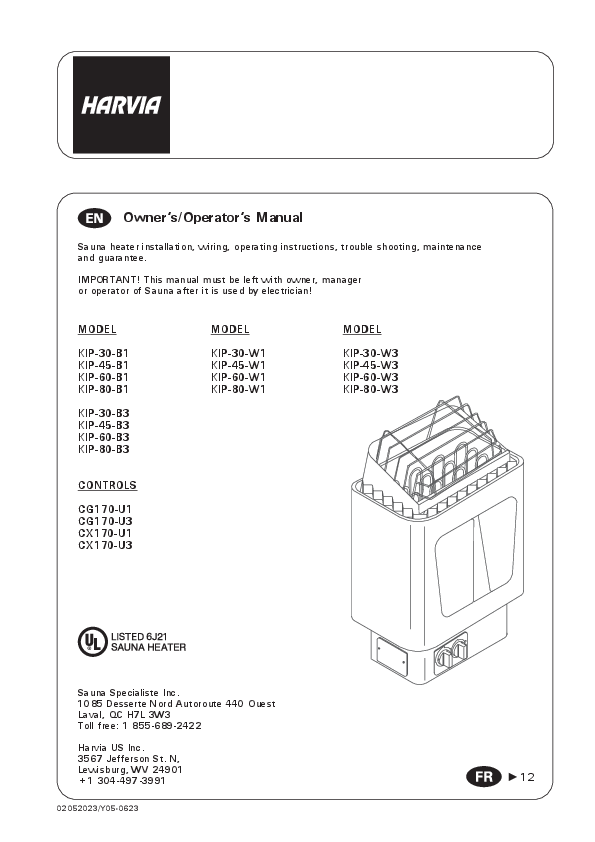
Most traditional electric sauna heaters require:
- A dedicated 240V circuit
- Proper amperage based on heater size (commonly 6kW–9kW for residential models)
- Installation by a licensed electrician
Electrical specifications vary by manufacturer and heater model. Always follow the installation manual provided with your specific heater.
Indoor installations often involve shorter electrical runs. Outdoor installations may require exterior-rated conduit or trenching depending on location.
Consult a licensed electrician before installation.

Heating Performance & Experience
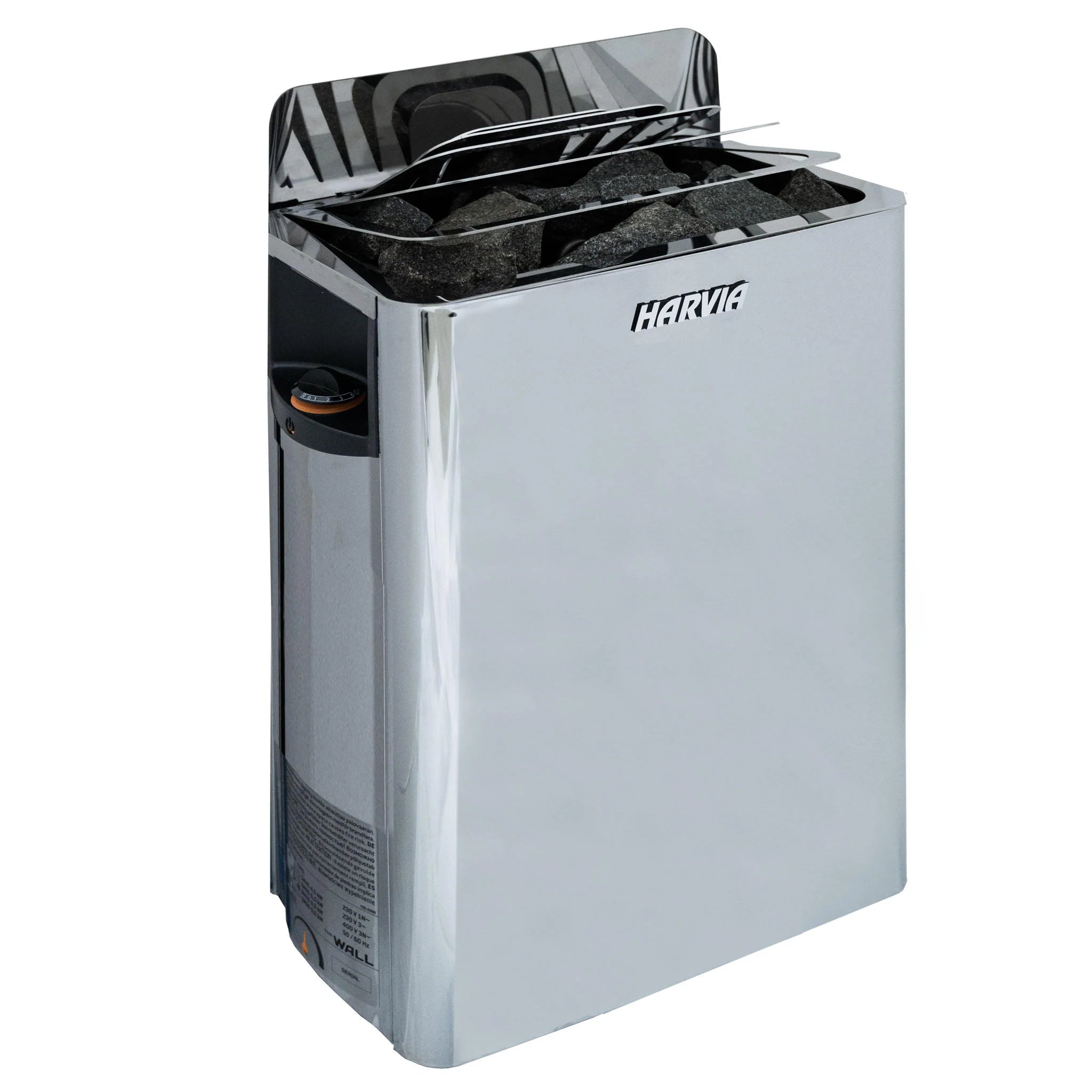
When properly insulated and correctly sized, both indoor and outdoor traditional saunas can reach typical operating temperatures between 150°F–195°F (65°C–90°C), depending on heater capacity and user preference.
Performance depends on:
- Proper heater sizing relative to cubic footage
- Adequate insulation
- Correct stone loading
- Proper ventilation
Proper heater sizing is determined by total cubic footage and manufacturer-published heater capacity charts. For a detailed breakdown of how to calculate sauna volume and match it to the correct heater output, see our Heater Sizing Guide.
Outdoor models may require slightly longer preheat times in colder climates due to ambient temperature.
Installation Considerations
Indoor Sauna Models
Often involves:
- Electrical connection
- Assembly within finished space
- Ventilations planning
- Floor protection if required
Outdoor
May require:
- Foundation or deck preparations
- Delivery access planning
- Crane assistance for larger pre-assembled models
- Weather planning during installation
Architectural Integration
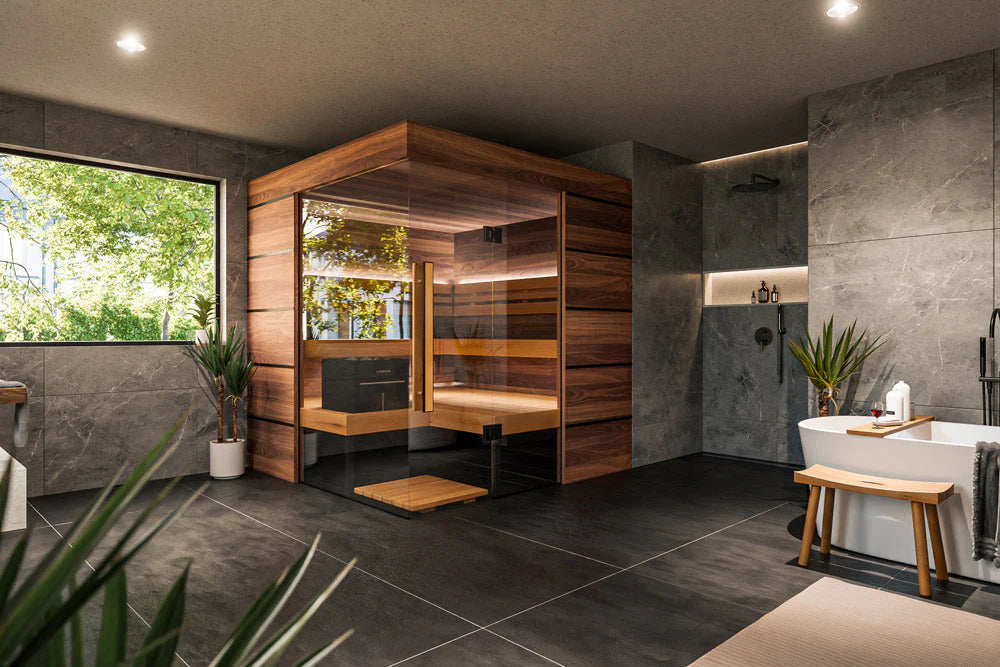
Indoor saunas can integrate seamlessly into modern wellness rooms with glass fronts and premium wood interiors.
Outdoor saunas create a distinct retreat environment and are often paired with cold plunges or pools.
How Our Luxury Sauna Standards™ Apply to Indoor & Outdoor Models
Every indoor and outdoor sauna we recommend is evaluated using our Luxury Sauna Standards™ framework. While placement and infrastructure differ, our core evaluation criteria remain consistent.
We assess:
- Architectural integrity and design integration
- Material quality and structural construction
- Heater engineering and performance consistency
- Electrical clarity and safety standards
- Manufacturer reliability and long-term support
- Installation transparency and delivery logistics
Indoor and outdoor models must meet the same performance, durability, and craftsmanship thresholds before being included in our curated portfolio.
Placement may vary. Standards do not.
Cost Considerations
Total project cost depends on:
- Sauna size
- Heater selection
- Electrical requirements
- Site preparation
- Delivery logistics
Outdoor installations may involve additional site preparation costs. Indoor installations may require interior modifications depending on space.
A complete project estimate should include both product cost and installation planning.
Making the Right Decision
An indoor sauna may be ideal if:
- Interior square footage is available
- You prefer architectural integration
- Climate exposure is a concern
An outdoor sauna may be ideal if:
- Backyard space is available
- You prefer a standalone retreat
- You plan to integrate with a pool or plunge
Both options can deliver high-performance results when designed properly.
Need Help Deciding
Choosing between indoor and outdoor configurations often requires evaluating square footage, electrical capacity, delivery access, and model sizing. If you would like structured guidance before selecting a model, our team can help you plan with clarity.
Book a Design Consultation